Expression badge maker
Build an expression from eyes, a mouth and an accent. The result is a custom SVG badge, not a new Unicode emoji.
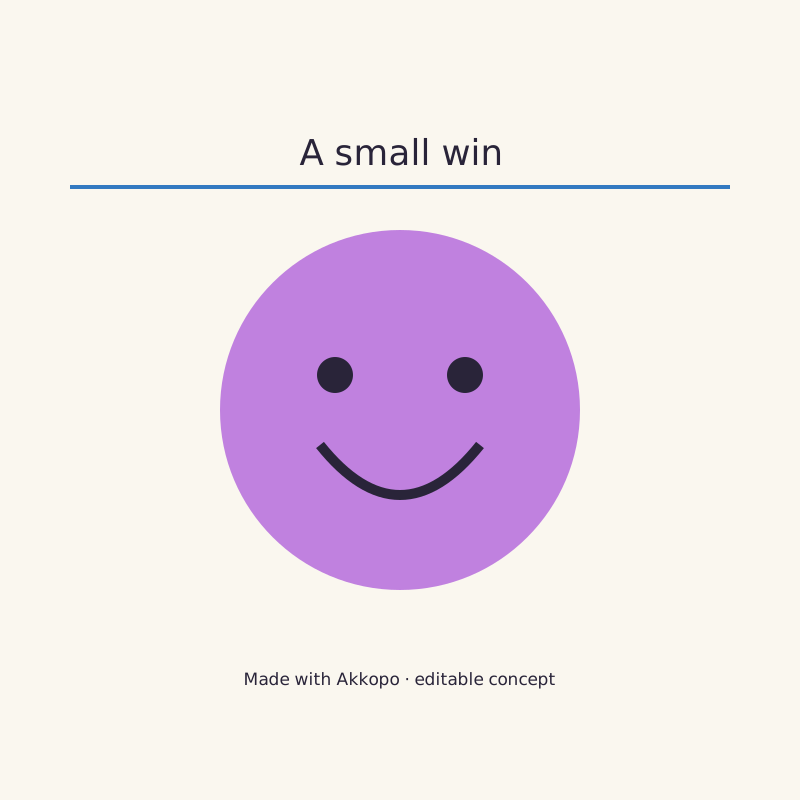
Expression badge maker
Build an expression from eyes, a mouth and an accent. The result is a custom SVG badge, not a new Unicode emoji.
Try a second version
Change just the mouth while keeping the eyes fixed. Notice how a tiny mark changes the reading of the whole face.
All changes and downloads happen in your browser. Nothing you type is sent to us. SVG downloads can be edited in a vector editor; the text download keeps your choices and notes.
The original word-to-result game
The archived game below selects a preset fictional result. It is separate from the design tool above and cannot measure rarity, predict a future or reveal another person’s feelings.
About the archived wording: percentage, rarity, IQ, timed-performance and mind-reading claims in the original copy below are fictional challenge language, not measured findings. The rules and result labels are preserved for entertainment.
Deep in the keyboard, past the letters and the punctuation, every name has one emoji that fits it like a favorite jacket. Not a mood ring, not a horoscope, just a little pictured version of your particular energy.
Type your name and watch which twin steps forward. It might flatter you, it might roast you gently, and it will almost certainly end up as somebody's contact photo for you. Take it as lightly as it is meant. The best truths about us usually arrive wearing a joke.
Read every possible result and what it means →
A hundred and seventy-six pictures on a Japanese phone
The set most often treated as the beginning was drawn in 1999 by Shigetaka Kurita for NTT DoCoMo's i-mode mobile internet service: 176 pictograms, each twelve pixels square, covering weather, traffic, moods and a heart. The constraint did much of the design work, because at that size a face is a handful of dots and every symbol has to be legible at a glance. New York's Museum of Modern Art acquired the original set in 2016. Priority is contested, since rival Japanese carriers shipped pictogram sets of their own around the same period, and heart symbols on pagers came earlier still.
The word has nothing to do with emotion
Emoji is Japanese: e, meaning picture, and moji, meaning character. The resemblance to emoticon and emotion is a coincidence that has fooled almost everybody, including plenty of people who write about them for a living. The older emoticon, assembled out of punctuation marks, is a separate invention altogether and generally has to be read side-on.
How a new emoji actually gets made
Because each carrier's pictograms were mutually incompatible, engineers pushed for a shared encoding, and emoji entered the Unicode Standard in 2010. That turned them into text: characters with numbers behind them, sortable and searchable, rather than pictures pasted into a message. It also created a committee. Anyone may submit a proposal to the Unicode Consortium, but the case has to be argued, covering expected frequency of use, whether existing characters already do the job, and whether the image stays clear at small sizes. Logos, brands, named individuals and deities are excluded. A successful proposal still waits a couple of years to reach handsets.
The same face does not always arrive the same way
Vendors draw their own artwork, so a codepoint is an instruction rather than an image. Researchers comparing platforms have found people rating the same character quite differently depending on whose rendering they were shown, with one grin reading as pleased on one phone and pained on another while sender and receiver never learn they saw different faces. Composite characters make it odder still: families and many occupations are separate symbols stitched together by an invisible joining character, which is why they occasionally fall apart into their components on older software.
Reading context & limits
For background and a fuller source trail, read Why Personality Quiz Results Feel So Accurate. These references provide context; they do not validate the entertainment result or every historical detail in the archived essay.
Content lead: LISA. Updated October 25, 2026. Send a specific factual correction.