Choose a quest. Find your play style.
An invented island has a puzzle, a path, a workshop, and someone who needs a hand.
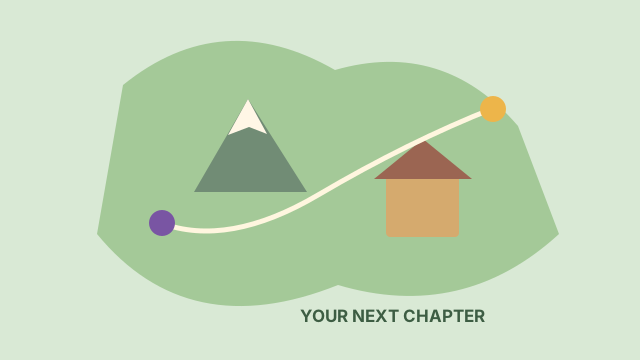
On this fictional island, you decide what makes a game worth continuing. There are no named franchises, rare items to recognize, or right answers borrowed from a walkthrough. The choices are intentionally low stakes.
Your result summarizes what you selected here: discovery, mastery, building, or cooperation. It does not label you as a better player or predict what you will enjoy in every game. Read all the results if the mix sounds more accurate than a single title.
Make your choices
0 of 6 answered
All the possible styles
You can read these before playing. They are fictional descriptions, not personal assessments.
The Horizon Chaser
The unknown corners pulled you forward. You chose discoveries that can change the shape of the map rather than simply increase a score. A game with room to wander may suit this set of choices, while too many checklist tasks could dilute the pleasure. This is a description of your imagined island visit.
One idea to try: Try exploring one area without looking up its secrets first, if that feels enjoyable.
The Method Finder
You selected clear challenges and the satisfaction of a better attempt. Repetition can feel worthwhile when it reveals a new technique. The tradeoff is continuing to optimize after the activity stops being fun. This label does not equate a game score with your ability outside the game.
One idea to try: Choose a small improvement you can recognize, then decide in advance when to stop the session.
The World Tinkerer
The island became a place to make things rather than merely finish objectives. Tools and materials offered possibilities that a reward list could not fully describe. An open sandbox may appeal to these answers, but limitless choices can also make starting difficult.
One idea to try: Set one playful constraint, such as using only three materials, and see what it suggests.
The Party Builder
You kept selecting situations where other characters or players mattered. Complementary roles and shared progress gave the quest its shape. That does not require constant competition or a large group; even a small cooperative puzzle may fit. The quiz makes no judgment about your real social habits.
One idea to try: Pick an activity where each participant has a useful contribution and can ask for help.
Why mixed results are useful
Discovery and mastery can coexist: you might explore freely on a first visit and refine the route on a second. Building and cooperation can overlap when a shared project gives everyone a role. The scoring counts choices separately to show the pattern, not to insist that motivations are exclusive.
If two styles tie, both remain visible. There is no hidden preference for whichever answer appeared first. You can compare the vote counts and decide which suggestion sounds useful today.
These scenarios and worked examples were written for Akkopo. Reasoning is shown on this page; fictional situations are not presented as observed data.
Something unclear? Suggest a correction.